

Christian Life as Pilgrimage (Phil 3:10-16)
“I want to know Christ—yes, to know the power of his resurrection and participation in his sufferings, becoming like him in his death, 11 and so, somehow, attaining to the resurrection from the dead.
12 Not that I have already obtained all this, or have already arrived at my goal, but I press on to take hold of that for which Christ Jesus took hold of me. 13 Brothers and sisters, I do not consider myself yet to have taken hold of it. But one thing I do: Forgetting what is behind and straining toward what is ahead, 14 I press on toward the goal to win the prize for which God has called me heavenward in Christ Jesus.
15 All of us, then, who are mature should take such a view of things. And if on some point you think differently, that too God will make clear to you. 16 Only let us live up to what we have already attained. (Php 3:10–16).
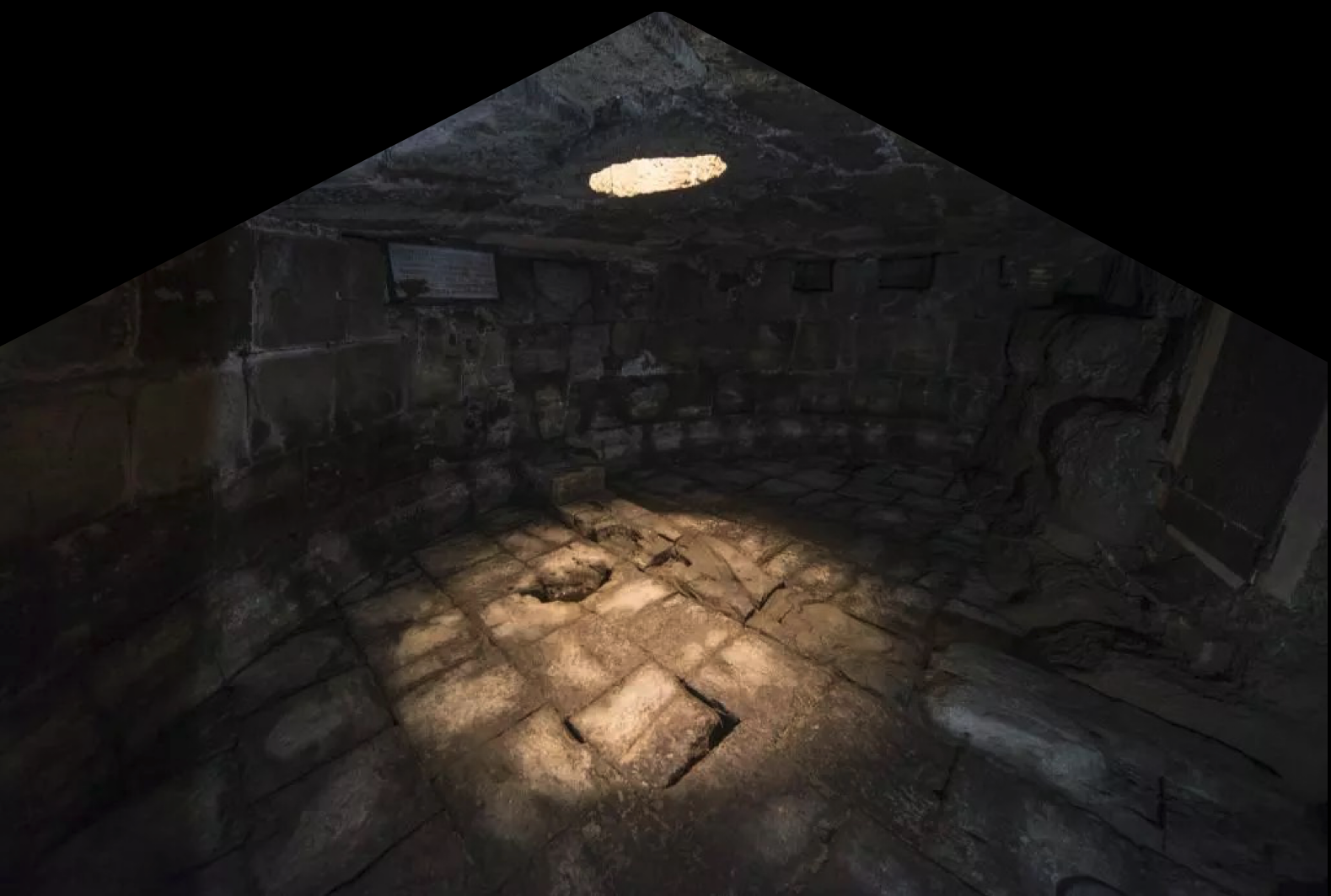
Prison, Restoration, and the Way of Jesus (Philippians 2:25–30)
25 But I think it is necessary to send back to you Epaphroditus, my brother, co-worker and fellow soldier, who is also your messenger, whom you sent to take care of my needs. 26 For he longs for all of you and is distressed because you heard he was ill. 27 Indeed he was ill, and almost died. But God had mercy on him, and not on him only but also on me, to spare me sorrow upon sorrow. 28 Therefore I am all the more eager to send him, so that when you see him again you may be glad and I may have less anxiety. 29 So then, welcome him in the Lord with great joy, and honor people like him, 30 because he almost died for the work of Christ. He risked his life to make up for the help you yourselves could not give me.
(Php 2:25–30).
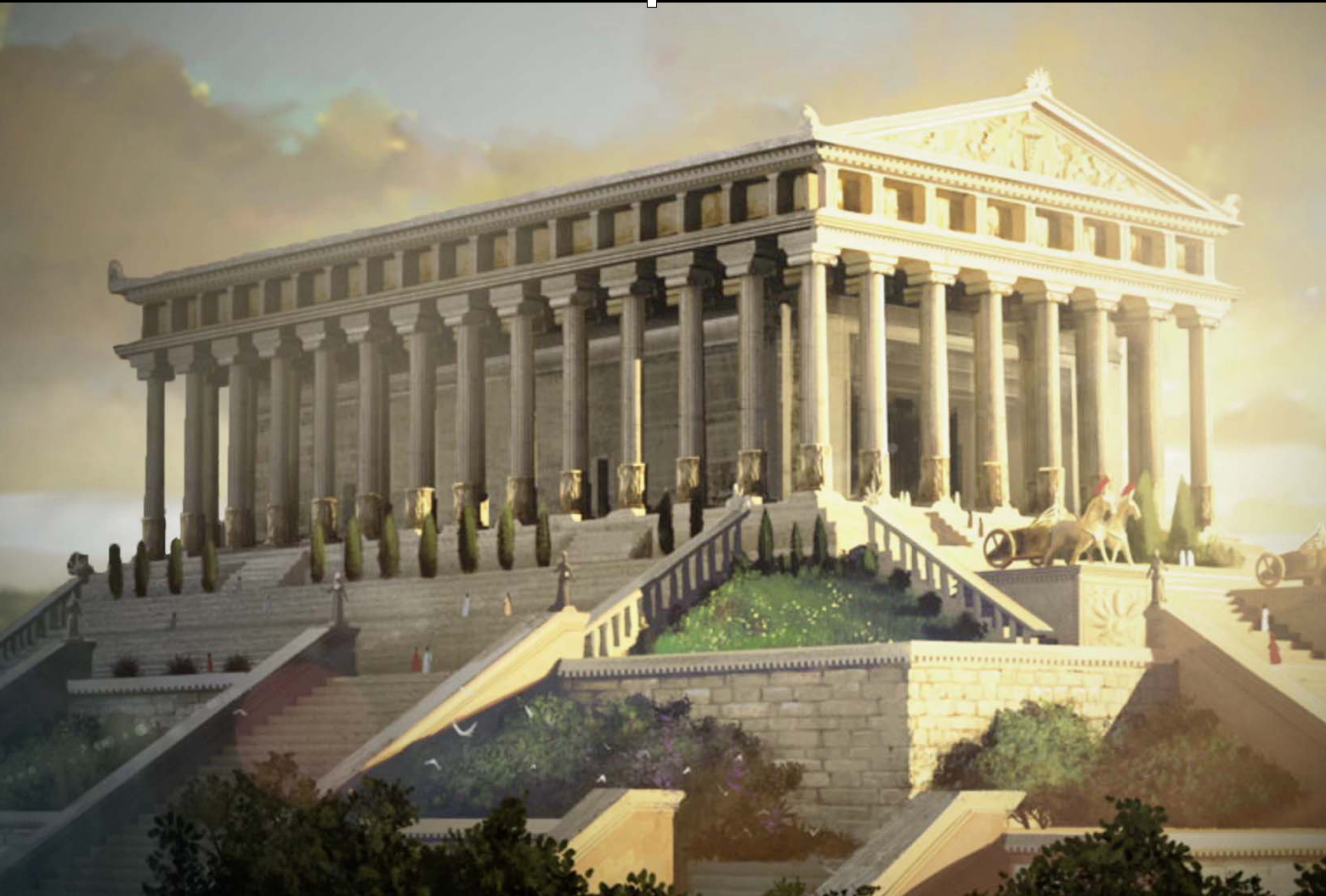
Open Handed Faith (Philippians 2:19–24)
19 I hope in the Lord Jesus to send Timothy to you soon, so that I may be cheered by news of you. 20 I have no one like him who will be genuinely concerned for your welfare. 21 All of them are seeking their own interests, not those of Jesus Christ. 22 But Timothy’s worth you know, how like a son with a father he has served with me in the work of the gospel. 23 I hope therefore to send him as soon as I see how things go with me; 24 and I trust in the Lord that I will also come soon.
The Holy Bible: New Revised Standard Version (Php 2:19–24). (1989). Thomas Nelson Publishers.
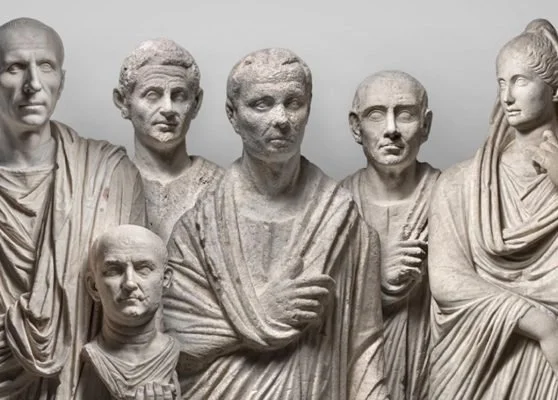
The Mind of Christ (Philippians 2:1–11)
Philippians 2:5-11
5 In your relationships with one another, have the same mindset as Christ Jesus: 6 Who, being in very nature God,
did not consider equality with God something to be used to his own advantage; 7 rather, he made himself nothing
by taking the very nature of a servant,
being made in human likeness.
8 And being found in appearance as a man,
he humbled himself
by becoming obedient to death— even death on a cross!
9 Therefore God exalted him to the highest place
and gave him the name that is above every name,
10 that at the name of Jesus every knee should bow,
in heaven and on earth and under the earth,
11 and every tongue acknowledge that Jesus Christ is Lord,
to the glory of God the Father.
(Php 2:5–11).
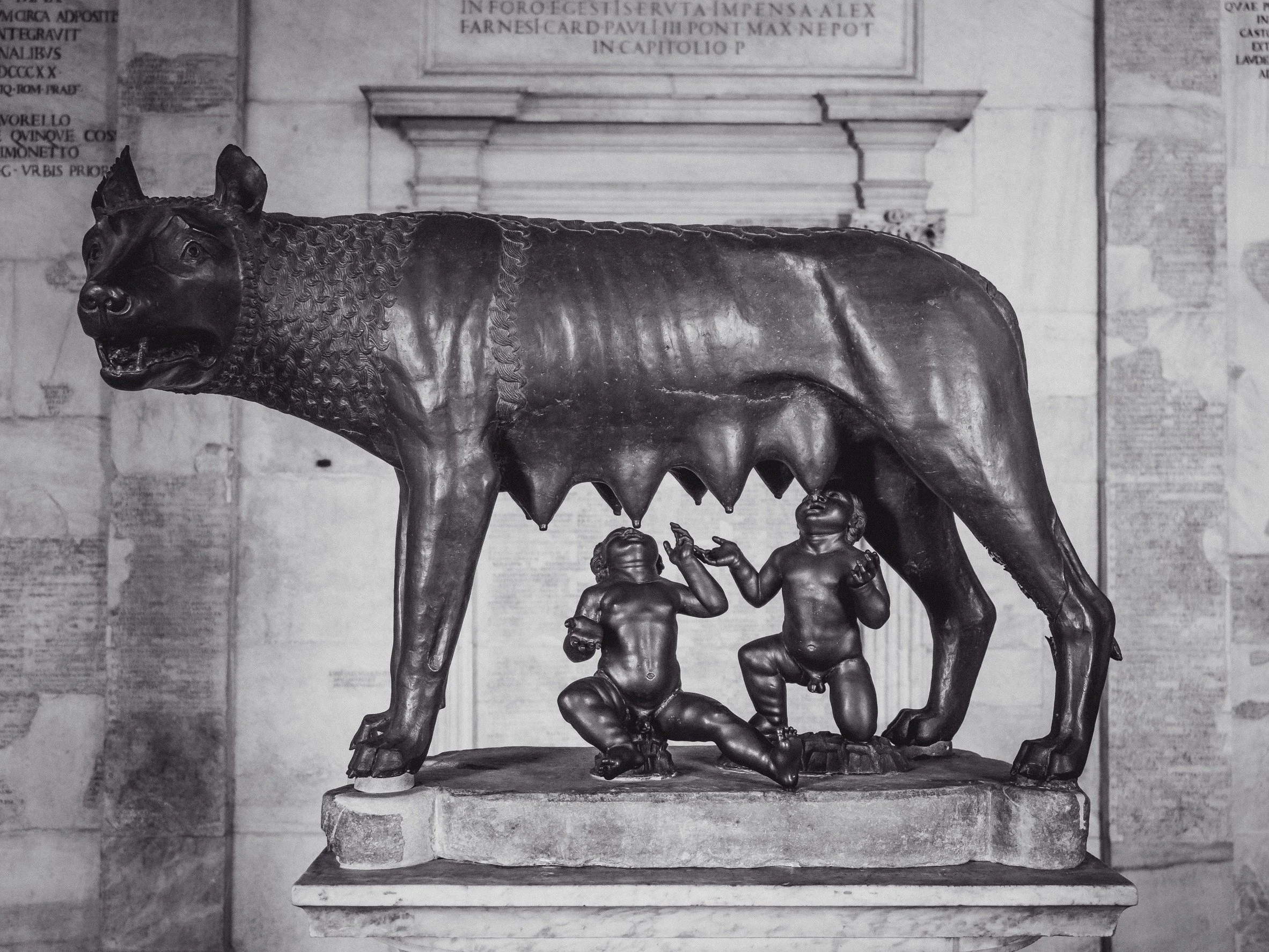
Citizens of Another Kingdom (Philippians 1:27–30)
27 Whatever happens, conduct yourselves in a manner worthy of the gospel of Christ. Then, whether I come and see you or only hear about you in my absence, I will know that you stand firm in the one Spirit, striving together as one for the faith of the gospel 28 without being frightened in any way by those who oppose you. This is a sign to them that they will be destroyed, but that you will be saved—and that by God. 29 For it has been granted to you on behalf of Christ not only to believe in him, but also to suffer for him, 30 since you are going through the same struggle you saw I had, and now hear that I still have.
The New International Version (Php 1:27–30). (2011). Zondervan.
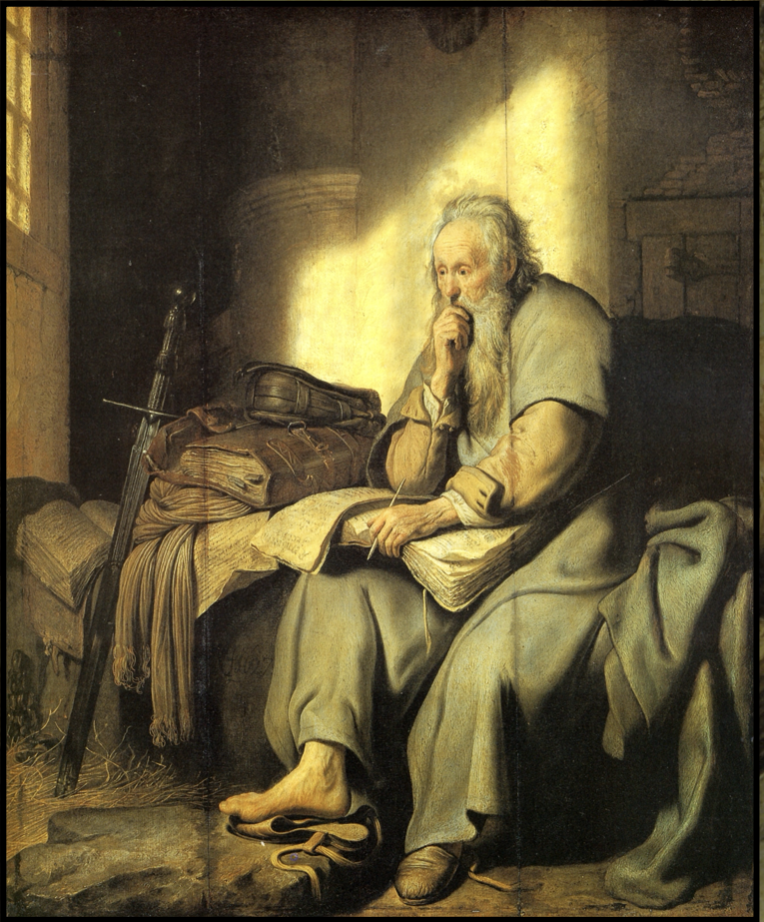
Servants of Christ Jesus (Phil 1:1-2)
Philippians 1:1–2
Paul and Timothy, servants of Christ Jesus,
To all God’s holy people in Christ Jesus at Philippi, together with the overseers and deacons:
2 Grace and peace to you from God our Father and the Lord Jesus Christ.

Peters Restoration (John 21:15-25)
John 21:15–17
When they had finished eating, Jesus said to Simon Peter, “Simon son of John, do you love me more than these?”
“Yes, Lord,” he said, “you know that I love you.”
Jesus said, “Feed my lambs.”
16 Again Jesus said, “Simon son of John, do you love me?”
He answered, “Yes, Lord, you know that I love you.”
Jesus said, “Take care of my sheep.”
17 The third time he said to him, “Simon son of John, do you love me?”
Peter was hurt because Jesus asked him the third time, “Do you love me?” He said, “Lord, you know all things; you know that I love you.”
Jesus said, “Feed my sheep.”

Doubt, Thomas, and the Journey of Faith (John 20:24–31)
24 Now Thomas (also known as Didymus), one of the Twelve, was not with the disciples when Jesus came. 25 So the other disciples told him, “We have seen the Lord!”
But he said to them, “Unless I see the nail marks in his hands and put my finger where the nails were, and put my hand into his side, I will not believe.”
26 A week later his disciples were in the house again, and Thomas was with them. Though the doors were locked, Jesus came and stood among them and said, “Peace be with you!” 27 Then he said to Thomas, “Put your finger here; see my hands. Reach out your hand and put it into my side. Stop doubting and believe.”
28 Thomas said to him, “My Lord and my God!”
29 Then Jesus told him, “Because you have seen me, you have believed; blessed are those who have not seen and yet have believed.”
30 Jesus performed many other signs in the presence of his disciples, which are not recorded in this book. 31 But these are written that you may believe x that Jesus is the Messiah, the Son of God, and that by believing you may have life in his name.
(Jn 20:24–31).
Calling a Thing a Thing (John 20:19–23)
19 On the evening of that first day of the week, when the disciples were together, with the doors locked for fear of the Jewish leaders, Jesus came and stood among them and said, “Peace be with you!” 20 After he said this, he showed them his hands and side. The disciples were overjoyed when they saw the Lord.
21 Again Jesus said, “Peace be with you! As the Father has sent me, I am sending you.” 22 And with that he breathed on them and said, “Receive the Holy Spirit. 23 If you forgive anyone’s sins, their sins are forgiven; if you do not forgive them, they are not forgiven.”
(Jn 20:19–23).
A New Temple, A New Start (John 20:11-16)
John 20:11–16
11 Now Mary stood outside the tomb crying. As she wept, she bent over to look into the tomb 12 and saw two angels in white, seated where Jesus’ body had been, one at the head and the other at the foot.
13 They asked her, “Woman, why are you crying?”
“They have taken my Lord away,” she said, “and I don’t know where they have put him.” 14 At this, she turned around and saw Jesus standing there, but she did not realize that it was Jesus.
15 He asked her, “Woman, why are you crying? Who is it you are looking for?”
Thinking he was the gardener, she said, “Sir, if you have carried him away, tell me where you have put him, and I will get him.”
16 Jesus said to her, “Mary.”
She turned toward him and cried out in Aramaic, “Rabboni!” (which means “Teacher”).

The Footrace & The Beloved (John 20:1-8)
So Peter and the other disciple started for the tomb. 4 Both were running, but the other disciple outran Peter and reached the tomb first. 5 He bent over and looked in at the strips of linen lying there but did not go in. 6 Then Simon Peter came along behind him and went straight into the tomb. He saw the strips of linen lying there, 7 as well as the cloth that had been wrapped around Jesus’ head. The cloth was still lying in its place, separate from the linen. 8 Finally the other disciple, who had reached the tomb first, also went inside. He saw and believed.
(Jn 20:3–8).
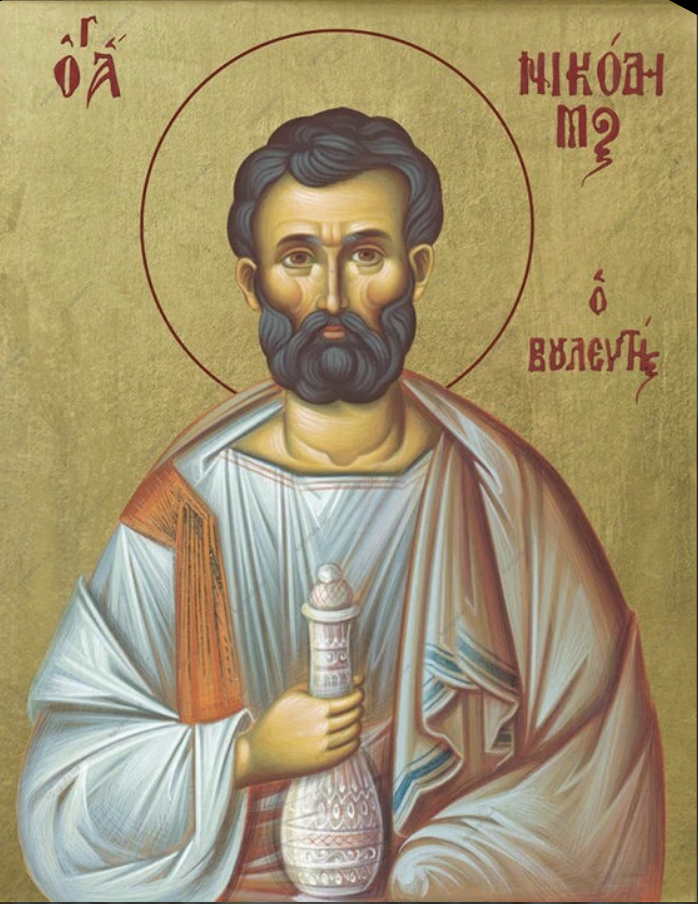
The Patron Saint of Curiosity & The Slow Work of God (John 19:38–40)
“Later, Joseph of Arimathea asked Pilate for the body of Jesus. Now Joseph was a disciple of Jesus, but secretly because he feared the Jewish leaders. With Pilate’s permission, he came and took the body away. 39 He was accompanied by Nicodemus, the man who earlier had visited Jesus at night. Nicodemus brought a mixture of myrrh and aloes, about seventy-five pounds. 40 Taking Jesus’ body, the two of them wrapped it, with the spices, in strips of linen. This was in accordance with Jewish burial customs” (Jn 19:38–40).
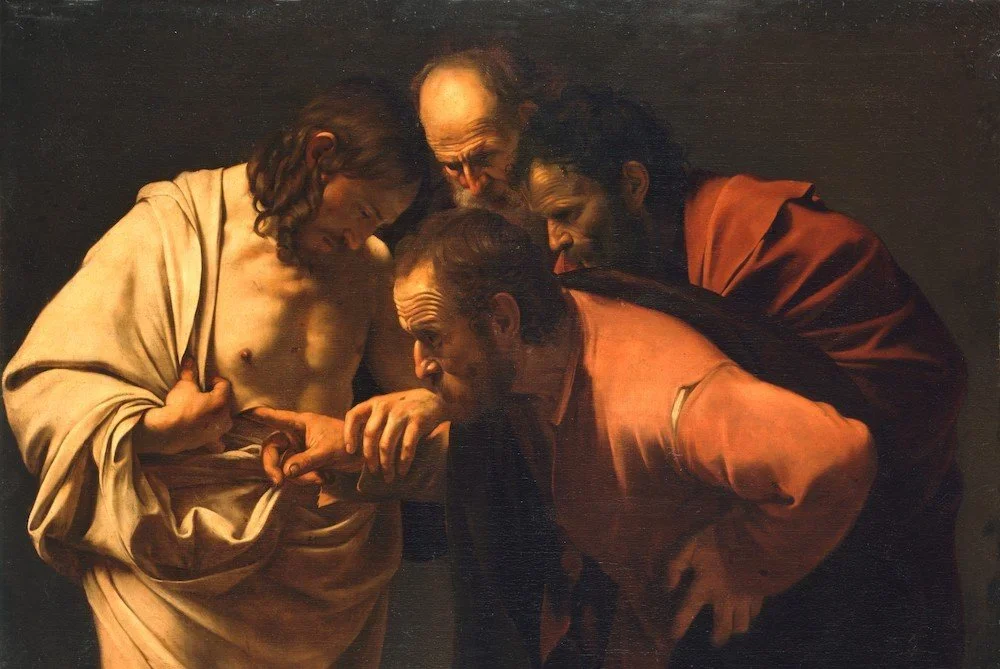
The Wounded Jesus
John 20:19-23
On the evening of that first day of the week, when the disciples were together, with the doors locked for fear of the Jewish leaders, Jesus came and stood among them and said, “Peace be with you!”
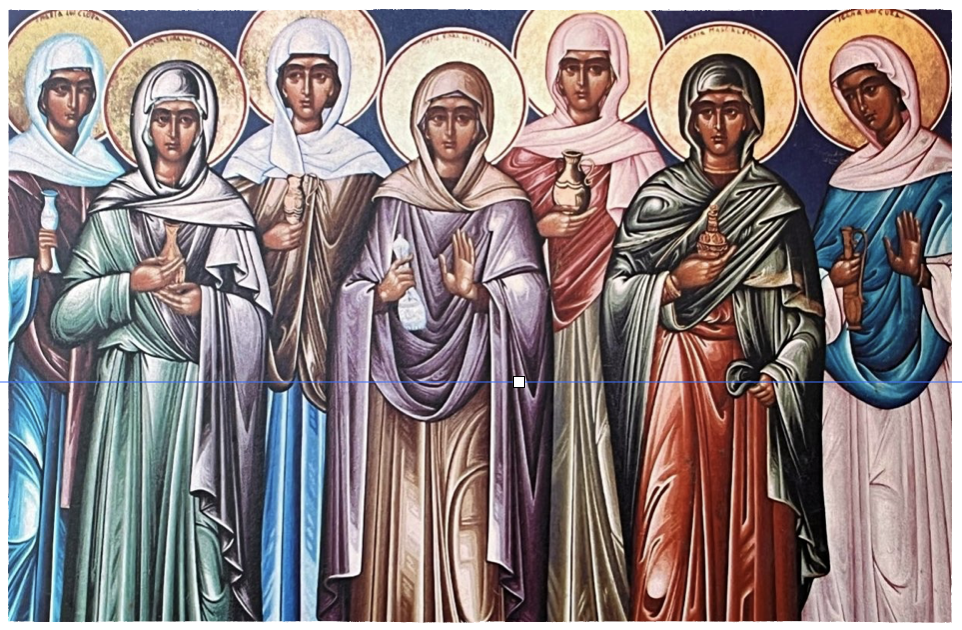


Preparing for Ash Wednesday
Ecclesiastes 1:2-9
2 “Meaningless! Meaningless!”
says the Teacher.
“Utterly meaningless!
Everything is meaningless.”
3 What do people gain from all their labors
at which they toil under the sun?
4 Generations come and generations go,
but the earth remains forever.
5 The sun rises and the sun sets,
and hurries back to where it rises.
6 The wind blows to the south
and turns to the north;
round and round it goes,
ever returning on its course.
7 All streams flow into the sea,
yet the sea is never full.
To the place the streams come from,
there they return again.
8 All things are wearisome,
more than one can say.
The eye never has enough of seeing,
nor the ear its fill of hearing.
9 What has been will be again,
what has been done will be done again;
there is nothing new under the sun.
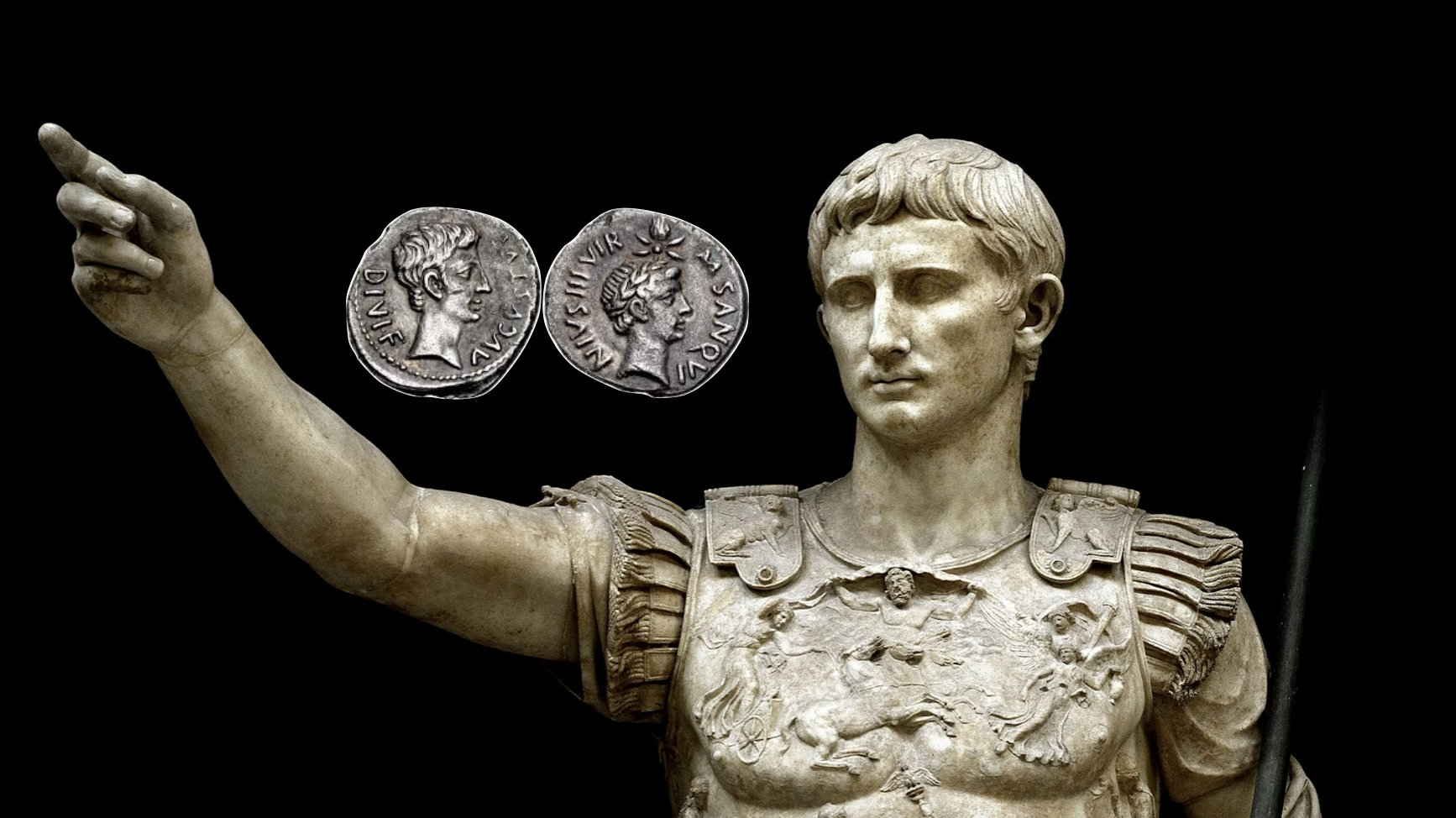
“No King But Caesar!” (John 19:6-16)
6 As soon as the chief priests and their officials saw him, they shouted, “Crucify! Crucify!” But Pilate answered, “You take him and crucify him. As for me, I find no basis for a charge against him.”
7 The Jewish leaders insisted, “We have a law, and according to that law he must die, because he claimed to be the Son of God.”
8 When Pilate heard this, he was even more afraid, 9 and he went back inside the palace. “Where do you come from?” he asked Jesus, but Jesus gave him no answer. 10 “Do you refuse to speak to me?” Pilate said. “Don’t you realize I have power either to free you or to crucify you?” 11 Jesus answered, “You would have no power over me if it were not given to you from above. Therefore the one who handed me over to you is guilty of a greater sin.”
12 From then on, Pilate tried to set Jesus free, but the Jewish leaders kept shouting, “If you let this man go, you are no friend of Caesar. Anyone who claims to be a king opposes Caesar.”
13 When Pilate heard this, he brought Jesus out and sat down on the judge’s seat at a place known as the Stone Pavement (which in Aramaic is Gabbatha). 14 It was the day of Preparation of the Passover; it was about noon.
“Here is your king,” Pilate said to the Jews.
15 But they shouted, “Take him away! Take him away! Crucify him!”
“Shall I crucify your king?” Pilate asked..
“We have no king but Caesar,” the chief priests answered.
16 Finally Pilate handed him over to them to be crucified.
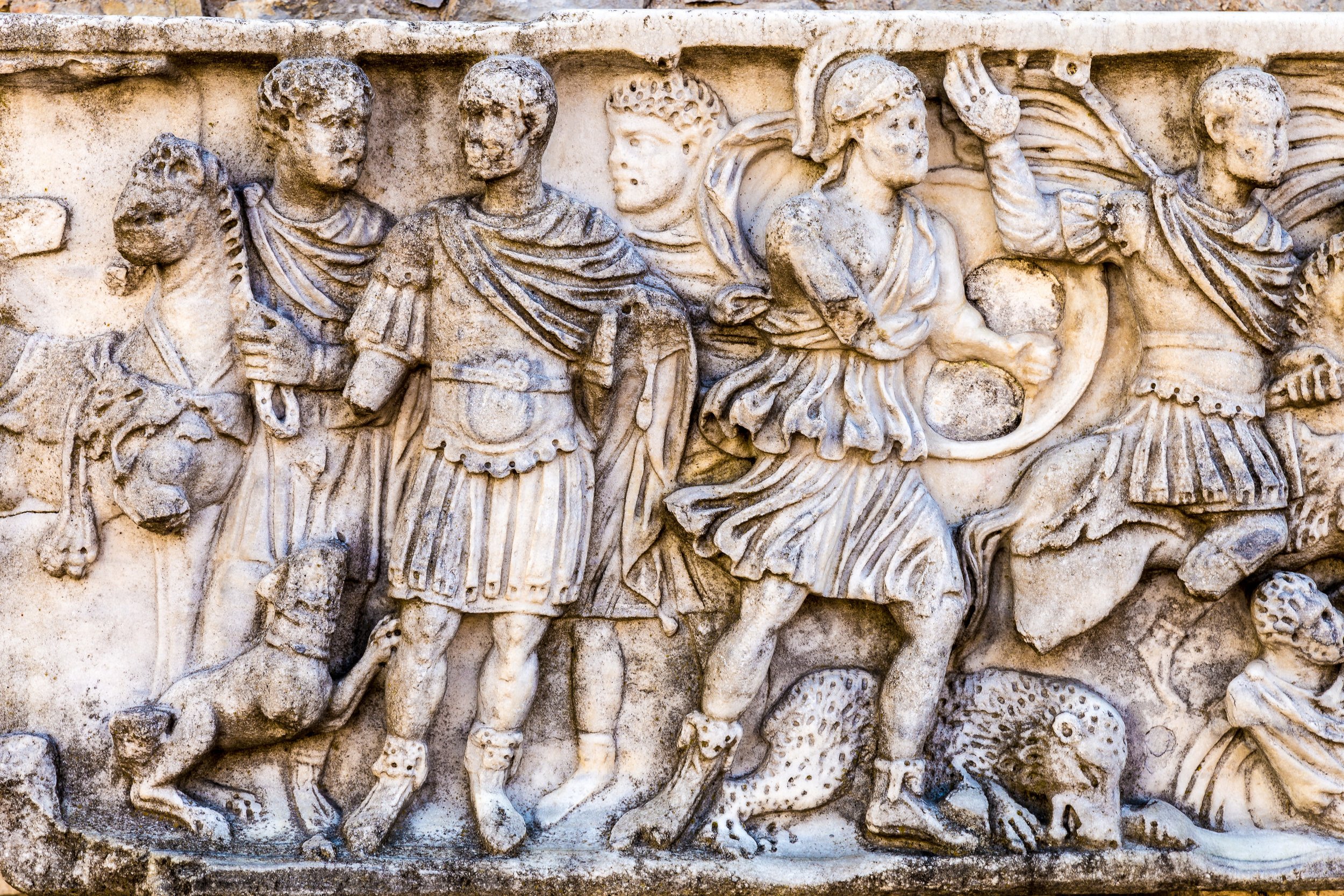
“Challenge and Riposte” (John 18:28–19:16)
Jesus said, “My kingdom is not of this world. If it were, my servants would fight to prevent my arrest… But my kingdom is from another place.” (Jn 18:36)
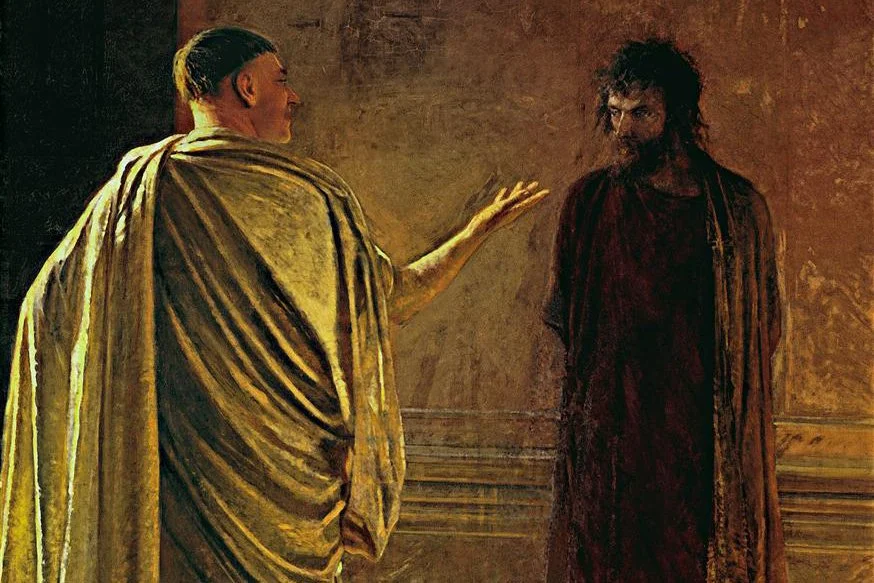
Jesus in a Post-Truth World (John 18:28-19:16)
“You say that I am a king. For this I was born, and for this I came into the world, to testify to the truth. Everyone who belongs to the truth listens to my voice.”
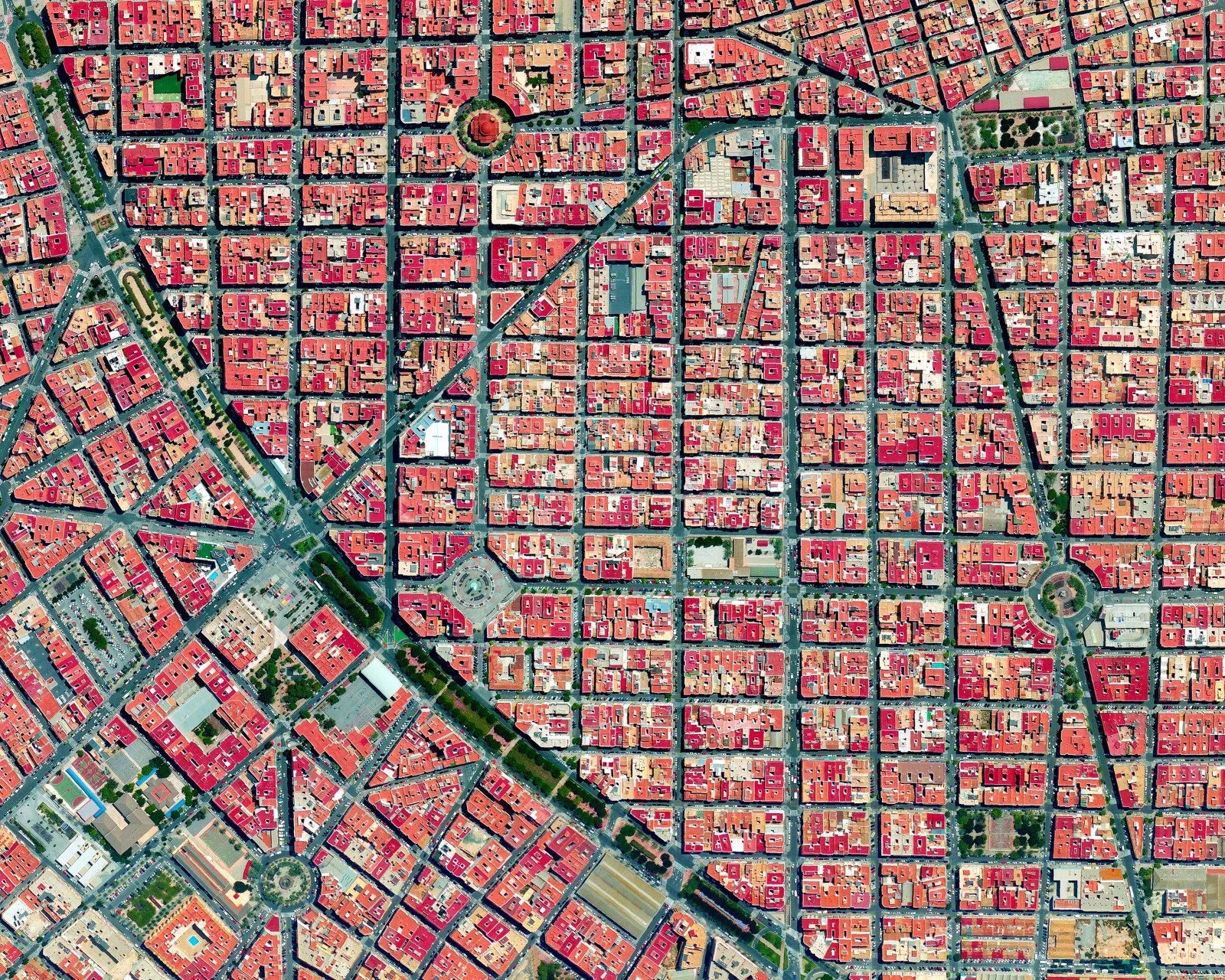
“Not of the World” (John 17)
As you sent me into the world, I have sent them into the world.
(Jn 17:18).